.png)

Recently, I faced a wake-up call—literally and figuratively. Despite diligently following many of the strategies from my self reflections “Let’s Thrive in 2025” that I have already shared, I became very physically unwell. It was a humbling experience that made me reflect deeply on my own wellbeing. Through this, I discovered that while I had made improvements in many areas of my life, my rest wasn’t as good as it should have been. I wasn’t giving sleep the respect it deserved, and my health suffered as a result.
As I delved into the science behind sleep, I was struck by how central quality sleep is to our overall health. Studies show that sleep affects everything from our energy and mood to cognitive function and immune health. Getting the right amount of sleep is linked to a lower risk of chronic illnesses like heart disease and diabetes, and it helps us build resilience to stress. After learning this, improving my sleep became a top priority.
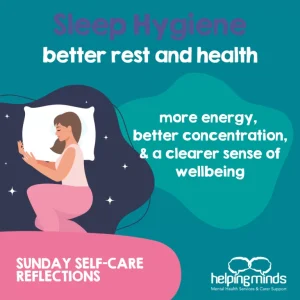
Thankfully, by implementing four simple practices, I’ve increased my nightly sleep from just 5.5 hours to over 7.5 hours—and I’m on track to reach the full 9 hours soon. These changes have made a remarkable difference. Not only have I recovered my health, but I now make it a point to ensure I get the sleep I need every night. The impact has been profound: more energy, better concentration, and a clearer sense of wellbeing.
Here is what I have done:
Step 1: Establish a Consistent Sleep Schedule
One of the first things I did was establish a regular sleep schedule. Going to bed and waking up at the same time every day—even on weekends (even though 6am does seem too early on Saturday or Sunday …listening to the birds as the sun rises with a hot peppermint tea is delightful!) — this routine helps regulate the body’s internal clock. This makes it easier to fall asleep and wake up naturally. Science shows that consistency in sleep patterns helps improve the overall quality of sleep. It is taking time for my body to adjust; however it is becoming easier to fall asleep, and I wake up feeling more refreshed.
Step 2: Create a Calming Pre-Sleep Routine
A pre-sleep routine has become an essential part of my evening. I spend 30 minutes before bed winding down— by having a turmeric latte, reading, doing light stretches, or practicing mindfulness. Research backs up the importance of a relaxing pre-sleep routine, as it reduces stress and signals to the brain that it’s time to rest. This routine has made it much easier to transition from the busyness of the day into a restful state.
Step 3: Limit Screen Time Before Bed
Like many people, I used to spend time on my phone or laptop before bed. I’ve since cut down on screen time in the hour leading up to sleep. Blue light from screens can interfere with melatonin production, the hormone that helps regulate sleep. Reducing screen time has made a noticeable difference—now I fall asleep faster, and my sleep feels deeper and more restorative.
Step 4: Create a Comfortable Sleep Environment
Finally, I transformed my bedroom into a true sleep sanctuary. I changed the picture on the wall and as hard as it can be in summer in Perth I have made sure it was cool, quiet, and dark, and invested in quality bedding. A comfortable sleep environment is critical for good rest, and studies show that these factors contribute significantly to improving sleep quality.
While I’m still finding my ideal sleep amount, it’s important to acknowledge that sleep needs vary with age. As we grow older, the amount of sleep we require changes. The National Sleep Foundation provides guidelines based on age:
- Newborns (0–3 months): 14–17 hours
- Infants (4–11 months): 12–15 hours
- Toddlers (1–2 years): 11–14 hours
- Preschoolers (3–5 years): 10–13 hours
- School-age children (6–13 years): 9–11 hours
- Teenagers (14–17 years): 8–10 hours
- Adults (18–64 years): 7–9 hours
- Older adults (65+ years): 7–8 hours
As we age, our sleep needs slightly decrease, but the importance of quality sleep never diminishes. By ensuring I now get my required 7.5 hours—and aiming for 9—I feel healthier, stronger, and better equipped to handle life’s challenges.
Prioritising sleep has been a transformative part of my wellbeing journey and in my physical recovery. Sleep is not a luxury; it’s a necessity. I encourage you to take stock of your own rest and make small adjustments where needed. Together, let’s make thriving in 2025 a reality by starting with the foundation of good health: a good night’s sleep.