.png)

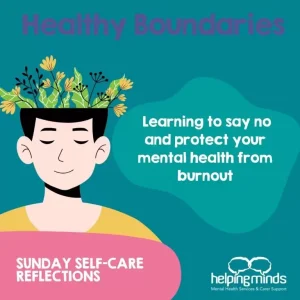
Recently, after being unwell, I had a moment of clarity about the importance of setting healthy boundaries and learning to say no. It’s something many of us struggle with, myself included, but it became clear to me that always saying yes isn’t sustainable. In fact, it can be damaging to our health and lead to burnout if you’re not careful.
For years, I was the go-to person, always eager to help, rarely pausing to consider my own needs. It’s easy to think that saying yes is the right thing to do. It feels kind, supportive, and in line with being a good colleague, friend, or family member. But, as I’ve come to realise, this constant yes can come at a cost. That cost is often your own physical or mental wellbeing.
One of the most important lessons I’ve learned recently is that setting boundaries isn’t selfish—it’s necessary for self-care. There’s a well-known saying: “You can’t pour from an empty cup.” It’s a reminder that we can’t give our best to others if we’re depleted ourselves. Another metaphor that resonates with me is the airline safety instruction to put your own oxygen mask on before helping others. These ideas capture the essence of why boundaries are vital.
The science supports this, too. Research shows that people who set healthy boundaries and take time to rest and recharge are less likely to experience burnout. Burnout, a state of chronic stress and exhaustion, can have serious consequences for both mental and physical health. According to psychologists, constantly overextending ourselves can lead to anxiety, depression, and even physical illness which is what I experienced. When we take on too much, our bodies can only keep up for so long before they start to shut down.
By learning to say no, we protect ourselves from these harmful effects. Setting limits allows us to manage our energy better, maintain our mental health, and be more effective in the areas where we choose to focus.
There’s often a misconception that setting boundaries means you’re letting people down. But in reality, it’s about being honest with yourself and others. It’s about recognising your limits and understanding that you don’t have to do everything for everyone all the time. When we say yes to things that drain us, we’re often saying no to things that could nurture us—whether that’s rest, time with loved ones, or simply moments of quiet reflection.
One thing I’ve learned through this journey is that saying no is not a negative action. It’s a way of prioritising what truly matters and ensuring that you have the capacity to show up fully in the areas that are most important to you. Whether that’s in your personal life, at work, or in your community, you’ll find that setting boundaries leads to a greater sense of balance and well-being.
Ultimately, self-care by setting boundaries is about recognising your worth. It’s a powerful form of self-respect. Far from being selfish, it allows you to protect your physical health, support your emotional well-being, and create space for what truly nourishes you. And when you’re feeling your best, you can give your best to those around you.